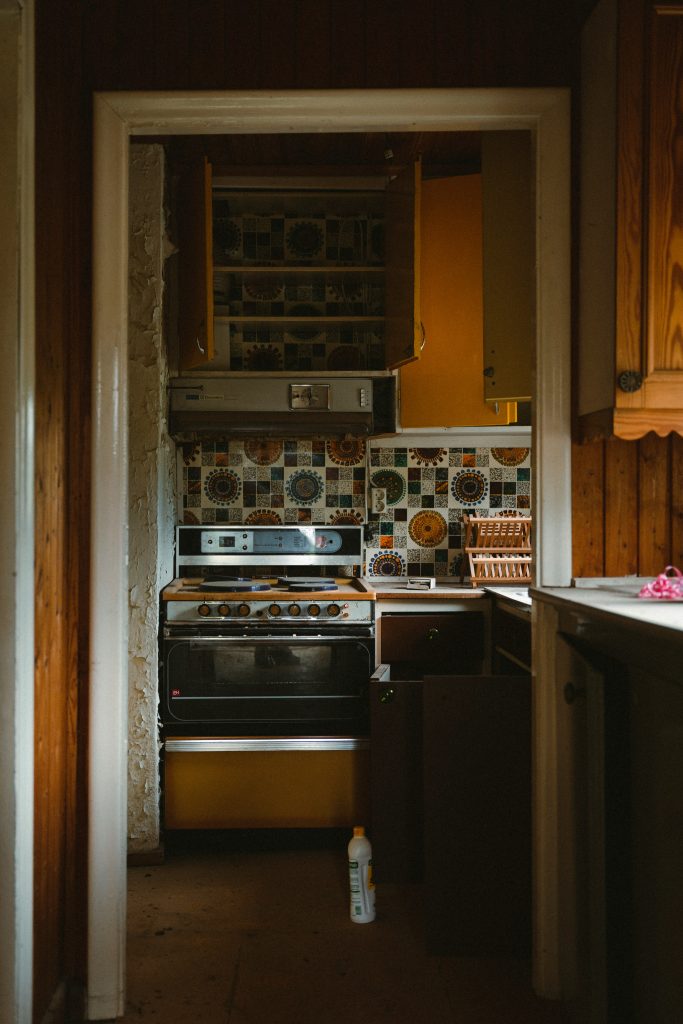
What if, before buying a house, we thought about all the different lives it might lead?
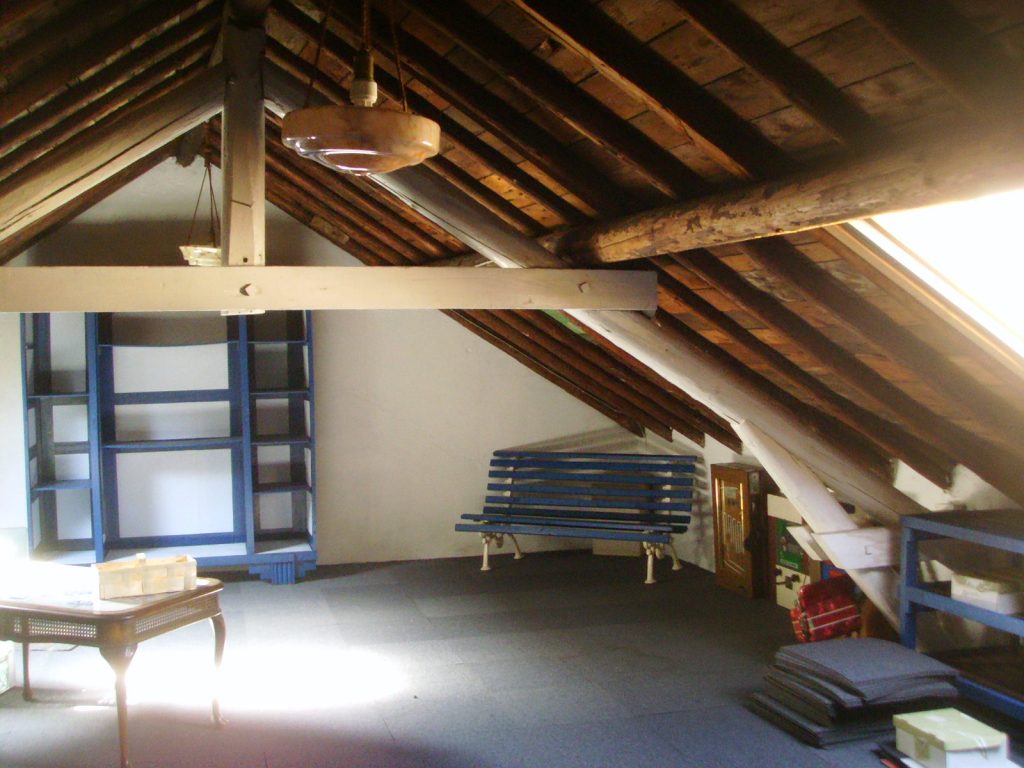
To mark the start of National Housing Week, I’d like to share a belief: we should be thinking about multi-purpose use even before we buy a property.
People usually buy a house to keep for years to come. They picture their cosy little home, how they’ll decorate it, and the moments they’ll spend there.
But do we give enough thought to how it might evolve alongside us?
- Children grow up and then leave home.
- A passion emerges, and with it the desire for a workshop.
- A relative needs temporary accommodation.
- A spare bedroom could be let out to a tenant and help towards repaying the mortgage.
Even if they have the same floor area, two houses can offer very different potential for future development.
Sometimes it’s all down to traffic and planning ahead.
Could this room be accessed without going through the private living areas? Could a shower room easily be fitted there? Is it feasible to install water supply and drainage pipes? Could a relatively independent space be created there one day?
These questions, which we rarely ask ourselves when we fall in love at first sight, can nevertheless make all the difference a few years down the line.
A well-designed house can accommodate several successive generations, without necessarily having to extend the walls.
And this adaptability can also be an asset when it comes to selling the property.
But I’d go one step further.
What if part of your home could one day generate an income?
How much could you charge to let a furnished room?
And if, tomorrow, you decided to turn the whole house into a shared living space, what would its rental potential be?
Would this be permitted in your local authority area? What conditions would need to be met? What facilities would be required?
It is precisely to help landlords explore these issues that I have developed, in collaboration with MyColoc, two online simulators:
- A rent calculator to estimate the rental potential of a room, based on the local authority in which it is situated.
- A compliance simulator to identify the main regulations applicable to a co-housing project in Luxembourg, and particularly within the municipality where the house is situated, as a house that complies with the regulations in one municipality may not do so elsewhere. This simulator is still being tested by local authorities. It is temporarily accessible via this link: https://www.mycoloc.lu/acces-communes-2026/
These tools provide initial guidance and obviously do not replace the necessary local authority permits.
So, to mark National Housing Week, I’d like to extend an invitation to anyone thinking of buying a home:
Before you ask yourself whether this house suits your life today, ask yourself what kind of lives it might suit in the future.
And what about you – when you visit a house, do you just look at what it is… or do you also consider what it could become?
See also.
What if, before buying a house, we thought about all the different lives it might lead?